CORE CONDITIONING
Build strength from the inside out.
Feel stronger in every movement.
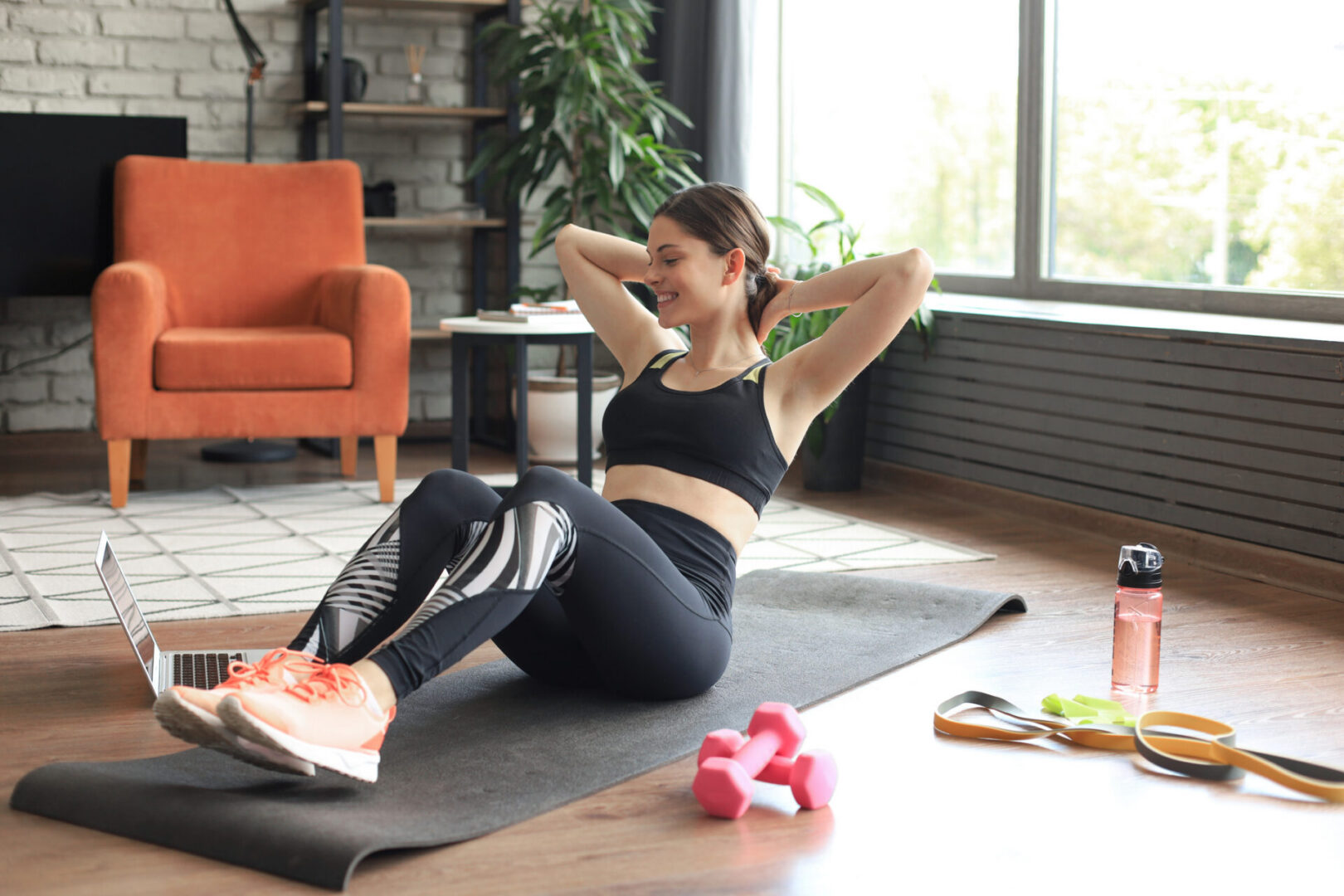

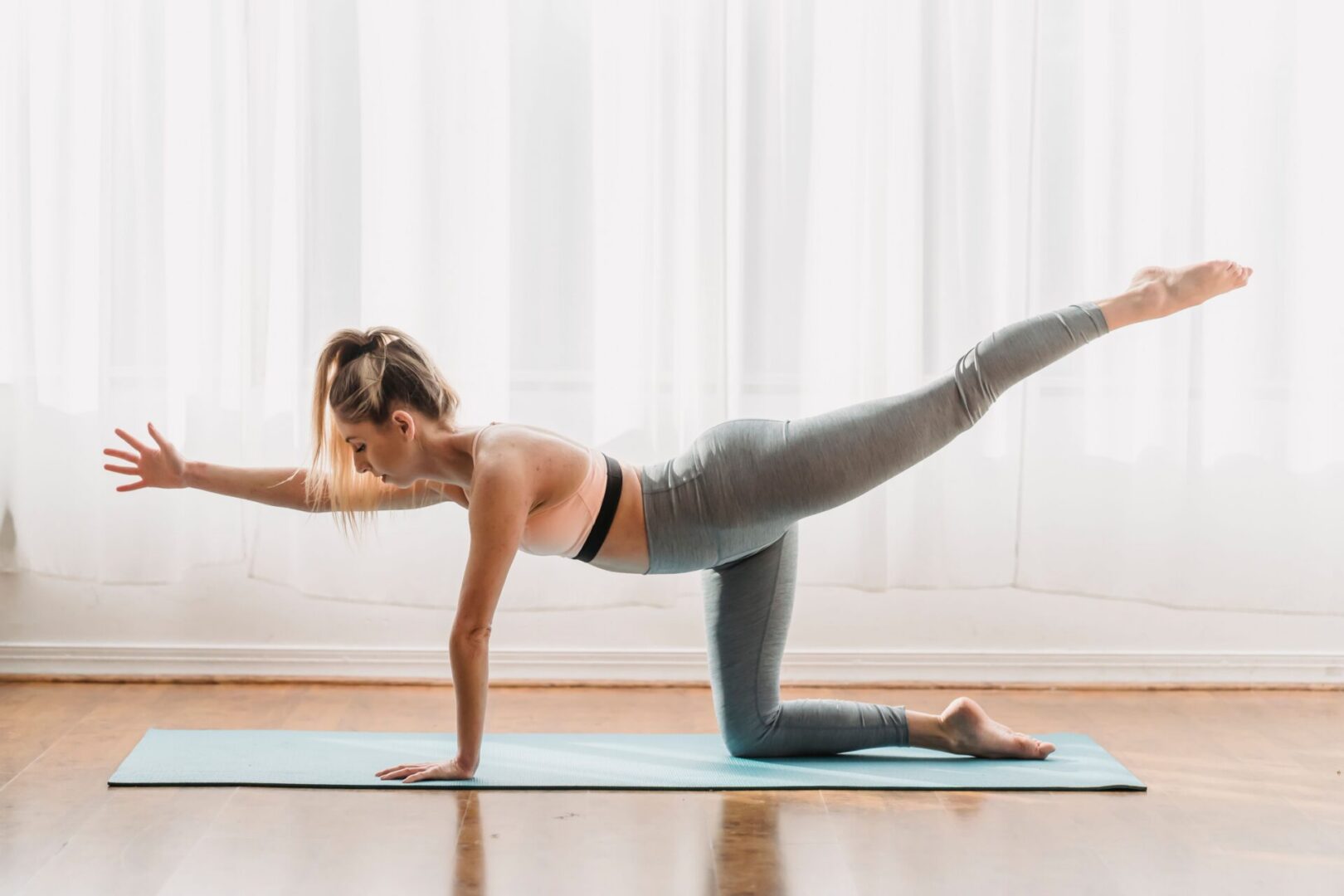


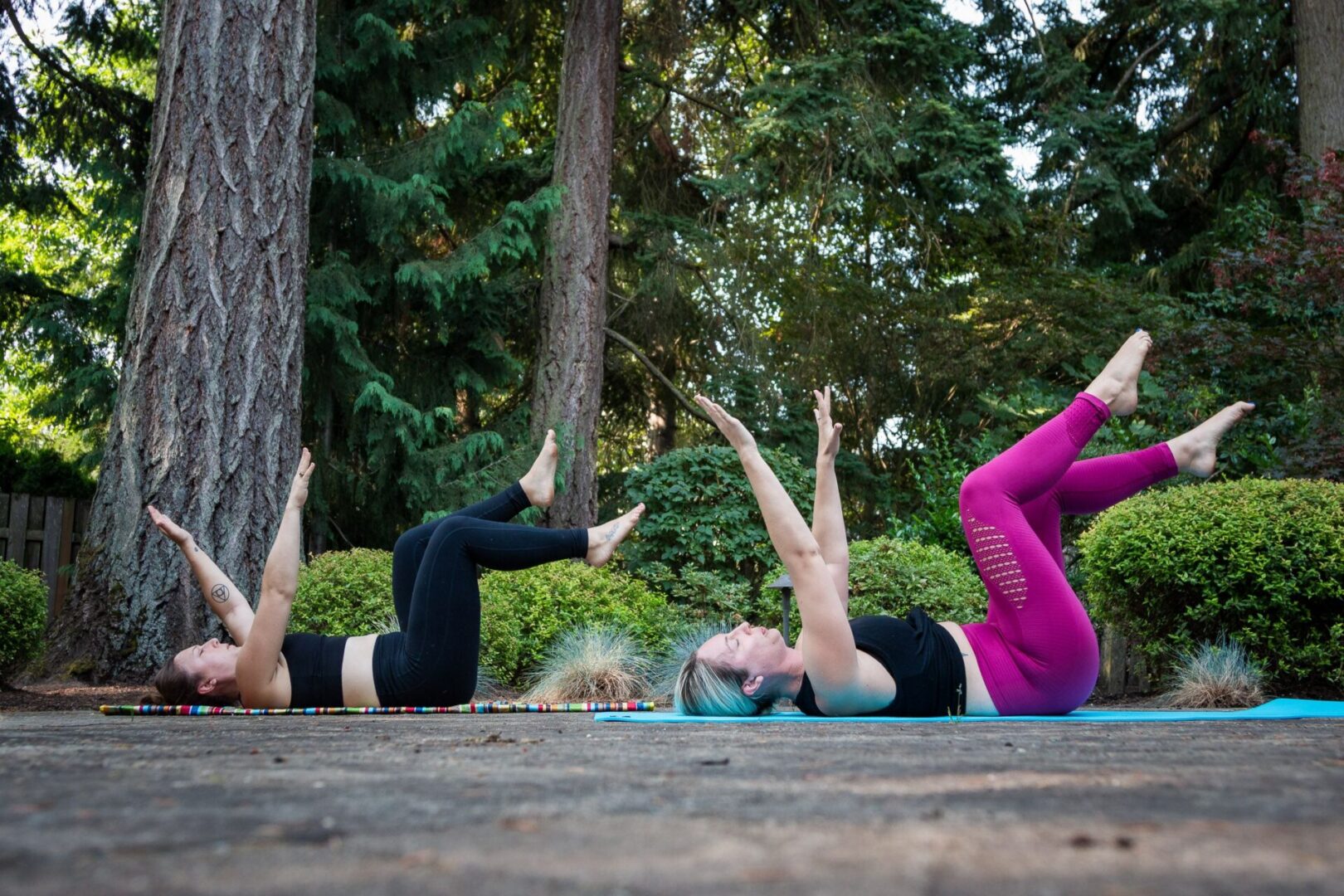
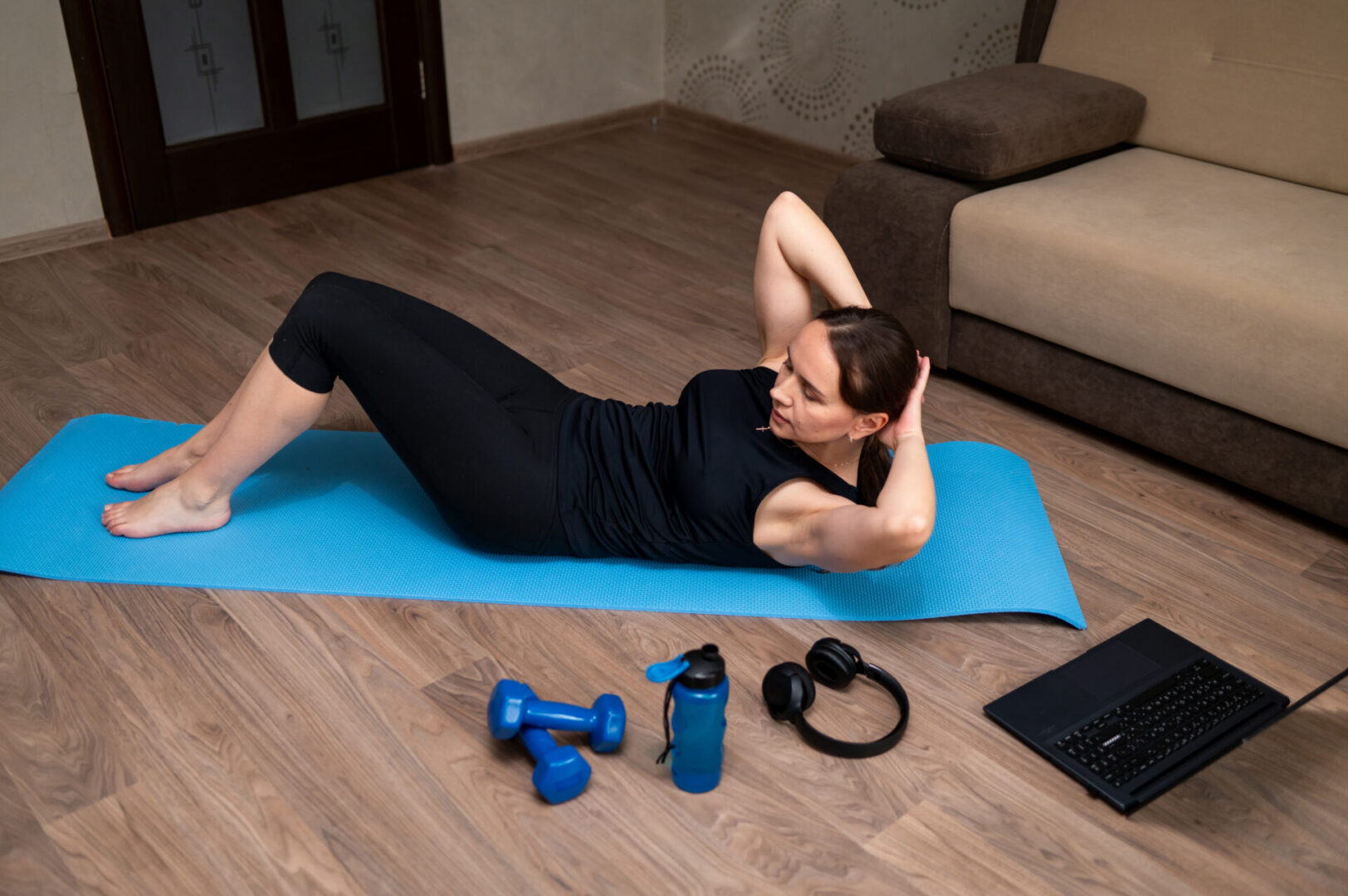
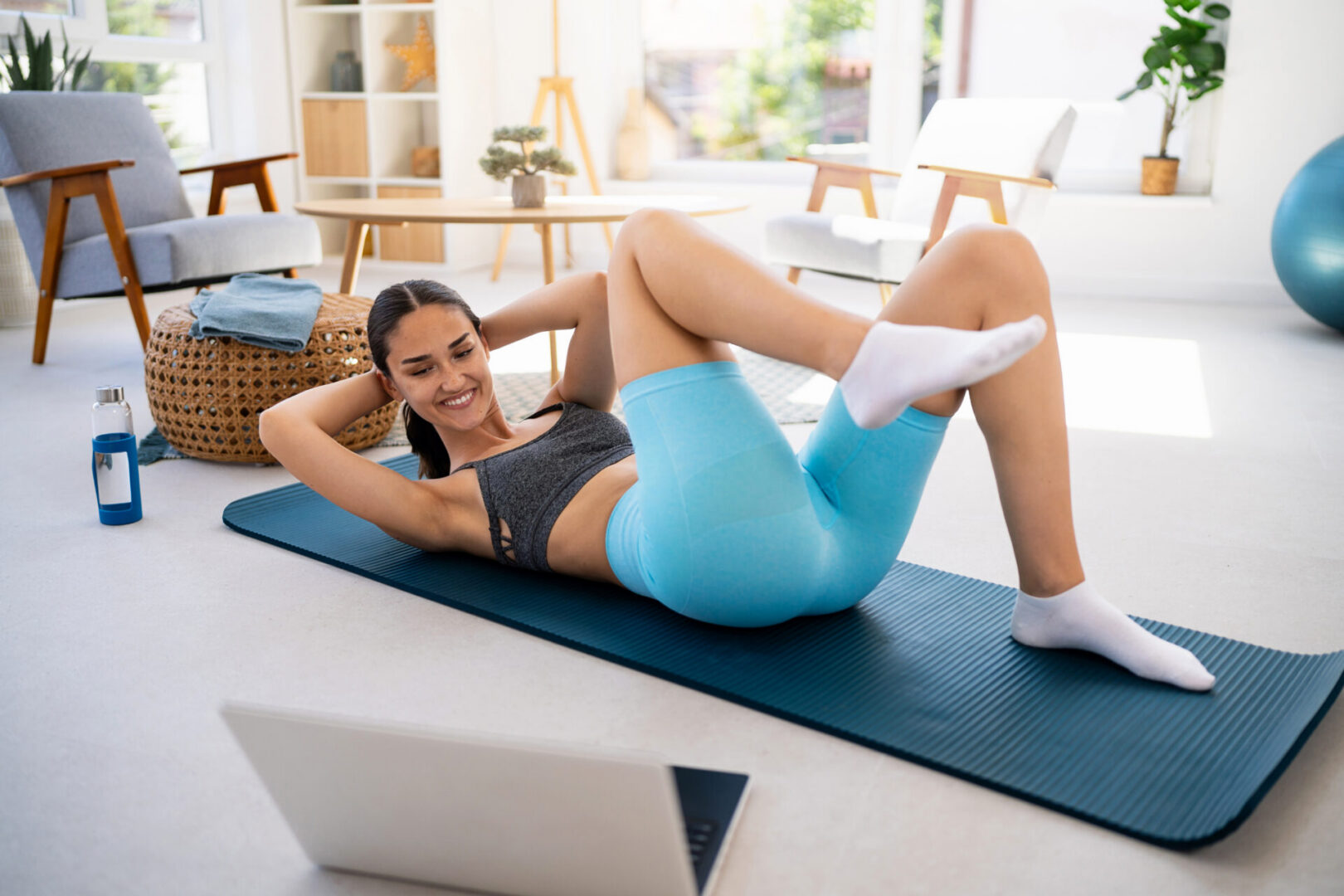


Strengthen your foundation and move with more confidence, stability, and ease.
Core conditioning focuses on the muscles that support your abdomen, spine, pelvis, and hips — the center of your body and the source of your strength. When your core is strong, your entire body moves better, feels more stable, and functions more efficiently.
This service is ideal for anyone who wants to:
- Improve core strength and stability
- Support posture and alignment
- Reduce stiffness or discomfort
- Enhance balance and functional movement
- Build a stronger foundation for all types of exercise
- Feel more confident and capable in daily life
What the Core Really Is (What I Teach Every Client)
Your core is far more than just your “abs.” It’s an entire system of muscles that work together to stabilize, support, and power your movement. I teach clients to understand and connect with all four parts of the core:
1. The Front — Abdominals
These muscles manage trunk flexion and provide foundational stability.
- Transverse Abdominis — the deepest layer, wrapping around your torso like a natural weightlifting belt
- Rectus Abdominis — the surface muscle down the front
- Internal & External Obliques — muscles along the sides that help you rotate and bend.
2. The Back — Spinal Support
These muscles maintain posture and keep you upright.
- Erector Spinae — strong muscles running along the spine
- Multifidus — small, deep muscles that stabilize each vertebra
3. The Top & Bottom — Stabilizers
These regulate internal pressure and support your trunk.
- Diaphragm — your primary breathing muscle
- Pelvic Floor — the base of your core “cylinder”
4. The Periphery — Hips & Glutes
These transfer force and protect your lower back.
- Gluteal Group — gluteus maximus, medius, and minimus
- Hip Flexors & Extensors — muscles connecting the pelvis to the legs
Understanding how these muscle groups work together helps you build true total‑body strength — not just a strong midsection.
Why Core Strength Matters
Your core is the body’s foundation for movement. When these muscles are strong, your entire body benefits — from improved balance to better posture to more efficient movement.
Core conditioning can help:
- Strengthen the muscles around your abdomen, spine, and pelvis
- Improve stability and control
- Support healthy posture
- Enhance flexibility and mobility
- Reduce strain on the back and hips
- Improve overall movement quality
How Core Strength Affects Your Whole Body
A weak core doesn’t just cause low‑back pain — it affects your hips, glutes, knees, ankles, and even your feet. Your body works as one connected system, so when the center isn’t stable, everything below it has to compensate.
Hip & Pelvis Instability
When the core can’t support the spine and pelvis, the hips shift out of alignment. This prevents the glutes from firing properly and forces surrounding muscles to overwork.
Knee Pain
Unstable hips cause the knees to collapse inward during walking, squatting, or climbing stairs. This increases pressure on the kneecap and surrounding tissues.
Ankle & Foot Issues
When the legs rotate inward to compensate for a weak core, the arches flatten. This can lead to overpronation, ankle strain, Achilles issues, or plantar fasciitis.
Why Your Hamstrings Always Feel Tight
Most people with “tight hamstrings” don’t actually have short hamstrings — they have overstretched hamstrings.
When the pelvis tilts forward from core weakness, the hamstrings get pulled long and tight like a stretched rubber band. They’re not tight because they’re inflexible… They’re tight because they’re doing the core’s job.
This is why stretching doesn’t fix the problem — strengthening the lower abs and glutes does.
Warning Signs of Core Weakness
Your body gives clear signals when the core isn’t doing its job:
- Poor posture or difficulty sitting upright
- Trouble balancing on one leg
- Chronic tightness in the lower back or hip flexors
- Hamstrings that never loosen
- Fatigue during simple movements
- Feeling unstable during daily activities
When the Core Is Weak
When your core isn’t supporting you properly, other areas of the body take on the load. This often leads to:
- Lower back issues
- Hip discomfort
- Glute weakness or tightness
- Postural imbalances
- Reduced stability and control
A weak core doesn’t just affect your midsection — it affects how your entire body moves and feels.
What Your Training Includes
Your core training is tailored to your needs and comfort level. Sessions may include:
- Core‑focused strengthening exercises
- Stability and balance work
- Functional movement patterns
- Mobility and flexibility training
- Proper form coaching
- Progressive programming to help you improve safely
Every session is designed to help you build a strong, stable foundation that supports your entire body.
My Approach
Core training should feel empowering — not intimidating. I focus on:
- Safe, effective movement
- Proper technique
- Gradual progression
- Encouraging consistency
- Creating a supportive environment
You’ll learn how to engage your core properly and build strength that enhances every part of your life.
Ready to Strengthen Your Core?
Use the contact form to schedule your Core Conditioning session and start building a stronger foundation for movement.
Let's Get Started!
If we didn’t answer all of your questions, feel free to drop us a line anytime.